Save for the years ahead

RRSPs, RESPs, TFSAs, annuities and non-registered investments: how each one works, who it suits, and how they fit together in one plan.

A grey-haired couple at home, heads touching, smiling softly as they look towards a window.

When is your next RRSP deadline?

120days

left to contribute for the 2026 tax year. The deadline is Monday, March 1, 2027: contributions made in the first 60 days of a year can be deducted on the previous year’s return.

RRSP

Registered Retirement Savings Plan

Contributions to an RRSP are deducted from your taxable income, so they can lower the tax you pay this year. The money grows tax-deferred, and you pay tax when you take it out, usually in retirement, when your income is lower.

Your new room each year is 18% of the earned income you reported the year before, up to a yearly maximum, less any pension adjustment if you belong to a pension plan at work, plus any room you did not use in earlier years. Your Notice of Assessment shows your exact limit. Contributions made in the first 60 days of a year can be deducted on the previous year’s return.

By the end of the year you turn 71, an RRSP must be converted into a Registered Retirement Income Fund (RRIF) or an annuity, or cashed in.

Who it suits

  • Employees and the self-employed with earned income
  • Anyone who expects a lower tax rate in retirement than today
  • First-time home buyers using the Home Buyers’ Plan

RESP

Registered Education Savings Plan

An RESP saves for a child’s college, university or apprenticeship. The federal government adds the Canada Education Savings Grant: 20% of the first $2,500 you contribute each year, up to $500 a year and $7,200 per child over the life of the plan.

The savings grow tax-deferred. When the student takes out the grants and growth for school, they are taxed as the student’s income, which is often little or no tax. Lower-income families may also qualify for the Canada Learning Bond.

A young child in a teal top reading an old clothbound book by soft window light.

Who it suits

  • Parents and grandparents saving for a child’s education
  • Families with a newborn, collecting grants from the start
  • Families who may qualify for the Canada Learning Bond

TFSA

Tax-Free Savings Account

A TFSA is open to Canadian residents aged 18 or older. Contributions are not deductible, but everything the account earns grows tax-free, and you can take money out at any time without paying tax.

Each year the federal government adds new contribution room, and room you do not use carries forward. Money you take out is added back to your room on January 1 of the following year.

A TFSA can hold savings for a goal a few years away, an emergency fund, or retirement savings alongside an RRSP.

Who it suits

  • Savers of every age over 18
  • Retirees who want income that does not add to their taxable income
  • Anyone who has used up their RRSP room

Annuities

An annuity turns a lump sum of savings into regular payments that are guaranteed. A life annuity pays you for as long as you live; a term annuity pays for a set number of years.

You can buy one with money from an RRSP or RRIF, or with non-registered savings. Many retirees use an annuity to cover their fixed costs, alongside government pensions, so the essential bills are paid whatever the markets do.

Who it suits

  • Retirees who want a guaranteed monthly income
  • People worried about outliving their savings
  • Anyone converting an RRSP by the end of the year they turn 71

Non-registered investments

Once your RRSP and TFSA room is used, a non-registered account lets you keep investing, with no contribution limit and no rules on when you take money out.

Interest is taxed each year as it is earned, even when it is paid only at maturity, while dividends and capital gains are taxed when you receive or realize them. Each is taxed differently, so where you hold each investment matters. Santhakumar can help you plan which savings go in which kind of account.

The Toronto skyline and the CN Tower across the blue water of Lake Ontario on a clear day.

Who it suits

  • Investors who have filled their RRSP and TFSA
  • Savers with a lump sum from a sale or an inheritance
  • Business owners investing surplus money

Talk to Santhakumar

Call the office to book a meeting in Thornhill or by phone, or send an email.

Office416-491-7727
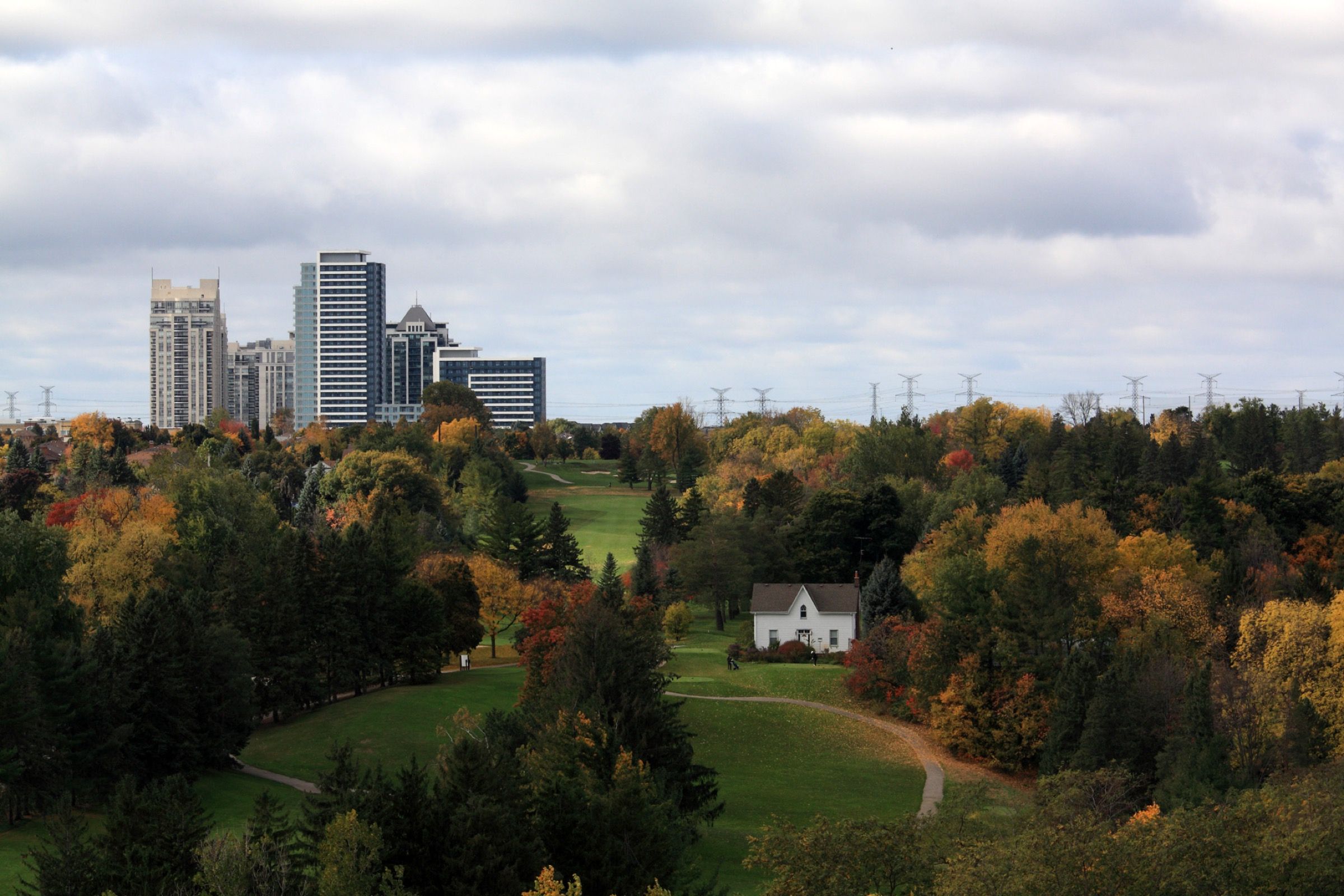
The green valley of the Don River in Thornhill in autumn, with a white farmhouse among red and gold trees and towers on the skyline.